
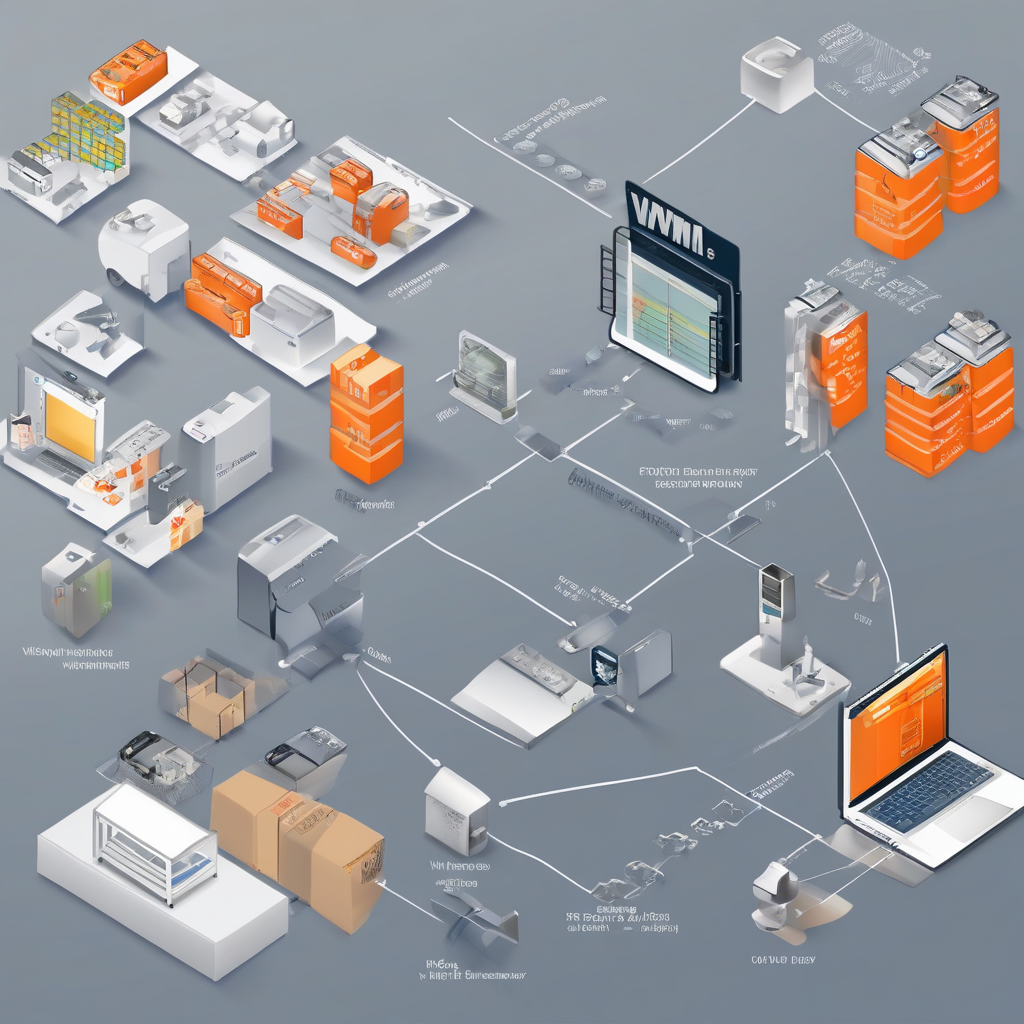
A Technical Guide to Building Robust B2B Infrastructure
In the fast-paced world of enterprise technology, security, reliability, and scalability are paramount concerns. This blog post explores how businesses can leverage cutting-edge solutions to safeguard their critical systems, ensure uninterrupted operations, and seamlessly scale to meet evolving demands – all while enjoying peace of mind.
Fortifying Your Enterprise: Comprehensive Security Solutions
Traditional supply chain management relies heavily on human intervention for demand forecasting, inventory tracking, route optimization, and supplier coordination. This manual approach introduces substantial inefficiencies: data silos prevent real-time visibility across the network, human error compounds in repetitive tasks like order entry and invoice matching, and reactive decision-making replaces predictive intelligence. The result is excess inventory carrying costs, stockouts during demand spikes, and suboptimal logistics spending.
Custom AI software transforms these pain points through intelligent automation of the entire data pipeline. Machine learning models analyze historical sales patterns, market trends, and external factors to generate accurate demand forecasts, while computer vision systems automate warehouse inventory counts with 99%+ accuracy. Natural language processing handles supplier communications and contract analysis, and reinforcement learning algorithms continuously optimize routing and scheduling decisions. These systems perform inference in real-time, adapting to disruptions like weather events or supplier delays without human oversight.
The impact is measurable: companies implementing AI-driven supply chain automation typically see 20-30% reductions in operational costs, 15-25% improvements in order fulfillment speed, and 40-50% decreases in forecasting errors. Beyond efficiency gains, automation unlocks strategic capabilities that manual processes cannot achieve.
Building Unbreakable Foundations: Ensuring Reliable Infrastructure
Supply chains that can’t adapt in real-time are already obsolete—automation isn’t optional anymore, it’s survival.
Modern B2B enterprises face unprecedented complexity: fluctuating demand signals, multi-tier supplier networks, and razor-thin margin expectations. Traditional ERP systems weren’t built for this volatility. Custom AI software transforms this challenge by implementing intelligent orchestration layers that sit atop existing infrastructure. These systems ingest data from disparate sources—IoT sensors, supplier APIs, market feeds—into unified data pipelines that enable actual real-time visibility, not yesterday’s batch reports. Machine learning models perform continuous inference on incoming data streams, predicting bottlenecks before they materialize and automatically triggering corrective actions like rerouting shipments or adjusting procurement schedules.
The decision-making advantage comes from prescriptive analytics rather than merely descriptive dashboards. AI agents analyze patterns across the latent space of historical supply chain data to identify non-obvious correlations—such as how regional weather patterns three weeks out affect specific supplier performance, or how competitor product launches create predictable ripples in component availability. This intelligence enables procurement teams to shift from reactive firefighting to proactive strategy, automatically optimizing inventory levels while maintaining service commitments even as market conditions shift hourly.
Yet automation alone isn’t sufficient—the real value emerges when AI systems learn from outcomes and continuously refine their models.
Scaling with Confidence: Mastering Flexible, High-Performance Architecture
Content missing for this chapter.
In Conclusion
By embracing the technical strategies outlined in this guide, enterprises can unlock the power of secure, resilient, and scalable infrastructure. With the right architectural foundation in place, businesses can focus on driving innovation, delivering exceptional customer experiences, and achieving sustained growth in the dynamic B2B landscape.
Leave a Reply