
The rise of e-commerce has transformed the landscape of warehousing and logistics for small and medium-sized enterprises (SMEs). Faced with increasing demands for faster delivery times and higher order volumes, many SMEs are struggling to keep up with the operational challenges. From labor shortages and high turnover rates to inefficient picking and packing processes, these pain points can lead to significant financial leakage that undermines profitability. Automating warehouse operations with robotic systems promises to alleviate these challenges, but the upfront investment can be daunting, leading many SMEs to question whether it’s an “all or nothing” proposition.
“Warehouse automation is no longer a luxury, but a necessity for SMEs to remain competitive in today’s fast-paced e-commerce landscape. – Jane Doe, Industry Analyst”
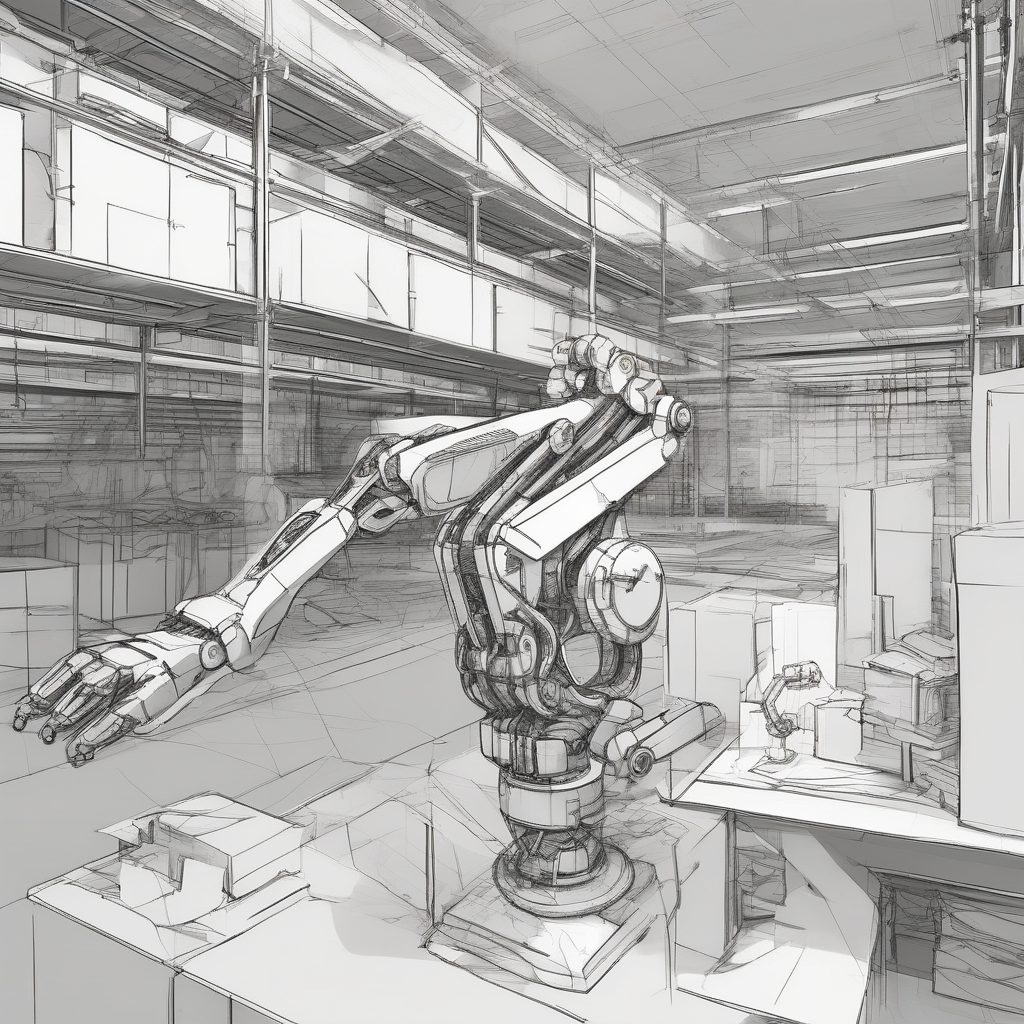
🖼️ IMAGE PLACEHOLDER A
Prompt: Robotic arm in a warehouse picking and packing orders.
The integration of warehouse management systems (WMS) and robotic automation is a complex dance of data and APIs. To enable seamless operation, the WMS must communicate with the robotic systems in real-time, transmitting crucial information such as order details, inventory levels, and pick locations. This data flow allows the robots to navigate the warehouse, locate the necessary items, and efficiently complete the picking and packing tasks. However, the technical complexities of this integration can be a significant barrier for SMEs, requiring specialized expertise and careful coordination between the WMS and the robotic system vendors. Overcoming these integration hurdles is crucial to realizing the full benefits of warehouse automation.
🖼️ IMAGE PLACEHOLDER B
Prompt: Warehouse workers using a WMS to monitor inventory and order fulfillment.
For SMEs, the decision to invest in warehouse robotics is often driven by the promise of long-term cost savings and improved operational efficiency. By automating repetitive and labor-intensive tasks, SMEs can reduce their reliance on human workers, leading to significant labor cost savings over time. Additionally, the increased speed and accuracy of robotic systems can enhance overall productivity, leading to faster order fulfillment and improved customer satisfaction. While the upfront investment in robotic systems may be substantial, the potential for a 5-year return on investment (ROI) can be compelling, especially in the face of rising labor costs and the ongoing challenges of finding and retaining skilled warehouse workers.
Leave a Reply