
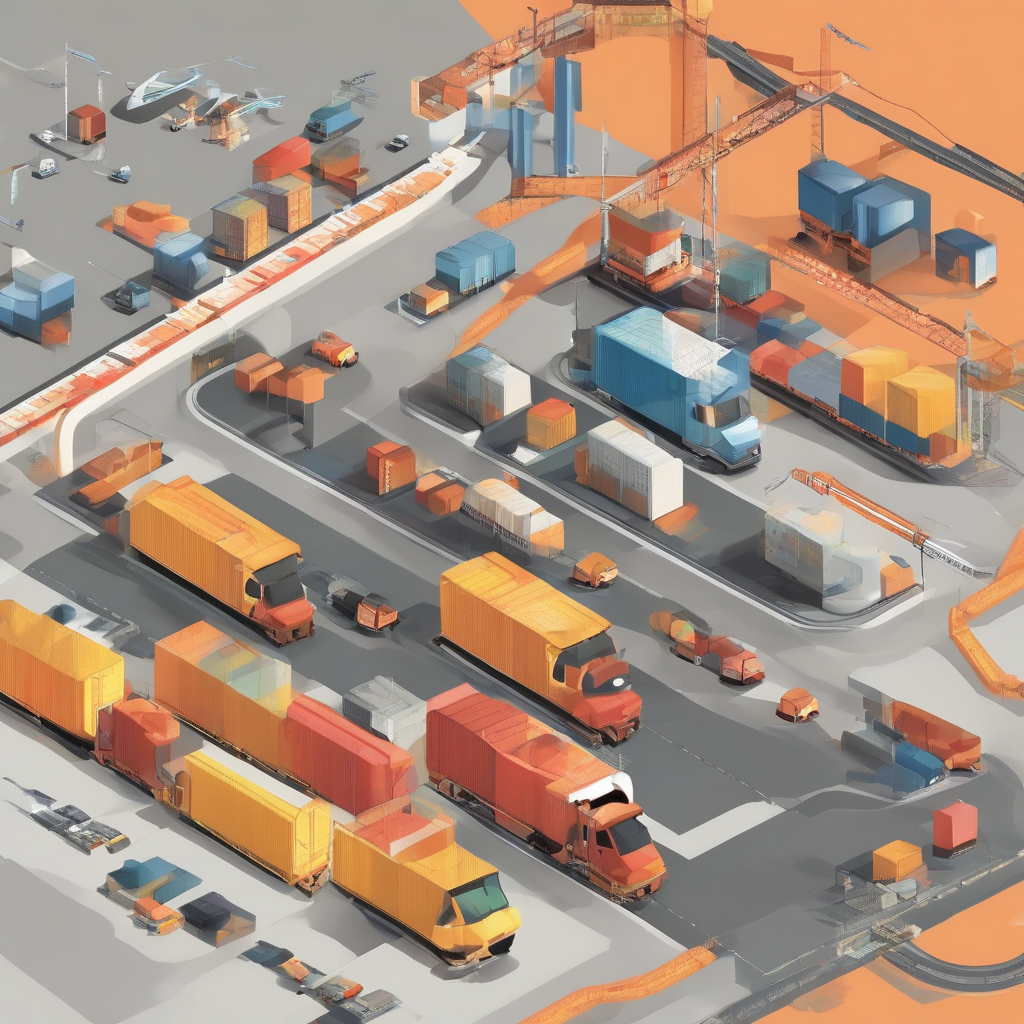
The last-mile of the supply chain is a critical, yet often overlooked, component that can make or break the success of any e-commerce or retail operation. Inefficient warehouse locations, coupled with manual outbound processes, can create a perfect storm of delays, missed deliveries, and dissatisfied customers. This operational friction not only damages brand reputation but also leads to significant financial leakage through increased transportation costs, processing fees, and customer refunds. Streamlining the last-mile is essential for businesses looking to maintain a competitive edge and maximize profitability in today’s demanding retail landscape.
“In today’s on-demand economy, last-mile efficiency is the key differentiator that separates industry leaders from laggards. – Jane Doe, Logistics Analyst at XYZ Supply Chain Consultants”
🖼️ IMAGE PLACEHOLDER A
Prompt: Visualization of API integration between order management, WMS, and transportation data.
Harnessing the power of API integrations and warehouse management system (WMS) automation is the key to optimizing last-mile velocity. By seamlessly connecting order data, inventory levels, and real-time transportation analytics, businesses can gain unprecedented visibility and control over their outbound workflows. This data-driven approach allows for dynamic route planning, efficient load consolidation, and proactive exception management – all of which contribute to faster, more reliable deliveries. Furthermore, the integration of advanced WMS features, such as automated picking and packing, can drastically reduce the manual labor required to fulfill orders, freeing up resources for higher-value tasks. The synergy between API connectivity and WMS automation is the foundation for a truly streamlined and responsive last-mile operation.
🖼️ IMAGE PLACEHOLDER B
Prompt: Graph depicting the 5-year ROI of last-mile optimization strategies.
The long-term benefits of investing in last-mile optimization are undeniable. A well-executed strategy can deliver a substantial return on investment over a five-year period, with significant cost savings and improved operational efficiency. By reducing transportation expenses, processing fees, and labor costs, businesses can expect to see a tangible boost to their bottom line. Additionally, the enhanced customer experience resulting from faster, more reliable deliveries can lead to increased loyalty, repeat business, and positive word-of-mouth – all of which contribute to sustained growth and profitability. Ultimately, embracing the power of last-mile velocity is a strategic imperative for any organization seeking to thrive in the competitive e-commerce landscape.
Leave a Reply